We have various images about How to take care of baby rubber plant in this article. You can get any images about How to take care of baby rubber plant here. We hope you enjoy explore our website.
Currently you are reading a post about how to take care of baby rubber plant images. We give some images and information connected to how to take care of baby rubber plant. We always try our best to deliver a post with quality images and informative articles. If you have not found any articles or wallpapers you are looking for, you can use our search feature to browse our other post.
How To Take Care Of Baby Rubber Plant. Rubber plants’ water needs vary according to season: If you have a young rubber. Rubber plants also are vulnerable to excessive dryness and don�t tolerate drought well. Repot in the spring, using a 2 inches bigger pot to keep the roots drier.
 Peperomia obtusifolia Variegata Variegated Baby Rubber From pinterest.com
This includes wiping the leaves with a damp cloth or even misting them. It creates an interesting contrast to tall, climbing, or trailing plants due to its low growing spread and compact, yet bushy form. Use sharp, clean shears and cut just above the node at a 90 degree angle. Allow the top soil to dry out completely and then water thoroughly. Rubber trees are fairly easy to grow, which is one of the reasons that they make such great houseplants. Do this at least once a month to keep away pests and help the plant soak in.
While they can survive under low light conditions, this often leads to leaf drop and increased stress, says barnett.
You should repot your rubber plant to allow it to grow. When you top the plant, it will stop growing vertically and branch out below that point. Take a look at our guide to reviving a plant if you need more tips for taking care of any of these rubber plant problems. Watch for droopy leaves, which indicate a need for more water. Prune the rubber plant with a sharp pair of pruning shears. Like we mentioned before, you should let your plant’s soil dry out between waterings to avoid drowning your plant.
 Source: pinterest.com
When you top the plant, it will stop growing vertically and branch out below that point. Feed the rubber plant using a liquid fertilizer once every 10 to 12 days. Allow the top soil to dry out completely and then water thoroughly. Prune the rubber plant with a sharp pair of pruning shears. If you have a young rubber.
 Source: pinterest.com
Water your rubber plant frequently—they like to be kept steadily moist but not soaked. Wipe the leaves of the rubber plant with a damp cotton cloth every 2 weeks to provide needed moisture and give the leaves a shiny appearance. To check if its time for another watering, check the moisture levels in the first few inches of soil—if they�re dry and crumbly, it�s time to water your plant again. It�s easy to care for your rubber tree. Do this at least once a month to keep away pests and help the plant soak in.
 Source: pinterest.com
(too big of a planter could cause the soil to dry slower.) Repot in the spring, using a 2 inches bigger pot to keep the roots drier. Watch for droopy leaves, which indicate a need for more water. Do this at least once a month to keep away pests and help the plant soak in. Size comes small and compact but can grow to approximately 1’.
 Source: pinterest.com
This includes wiping the leaves with a damp cloth or even misting them. The baby rubber plant is fairly easy to water. Soil that doesn’t drain and is too heavy. It creates an interesting contrast to tall, climbing, or trailing plants due to its low growing spread and compact, yet bushy form. Excess salt in fertilizer can build up and burn the roots of the peperomia obtusifolia.
 Source: pinterest.com
Baby rubber plant, pepper face. When watering potted rubber trees, do so until the water is coming out of the drainage holes in their containers. When you top the plant, it will stop growing vertically and branch out below that point. Water your rubber tree when the soil is slightly dry to the touch. You may need to do this every few years or every year depending on how large your pot is and how quickly your rubber plant.
 Source: pinterest.com
Soil potting mix with good drainage. Allow the top soil to dry out completely and then water thoroughly. You do not want to over water this plant and allow the soil to become waterlogged.so it might be best to lean towards less rather than too much when you first start growing peperomias, as less harm can be caused compared to overwatering. During the dormant season, your plant may only need water once or twice a month. The baby rubber plant is fairly easy to water.
 Source: pinterest.com
Rubber plants’ water needs vary according to season: The key to good rubber plant care is a balance of light, water and temperature. Rubber plants’ water needs vary according to season: Rubber trees are fairly easy to grow, which is one of the reasons that they make such great houseplants. Before i get into the care tips for this plant, it is important to note that although it is called baby rubber plant, it is not to be confused with ficus elastica, which is commonly known as the rubber plant.
 Source: pinterest.com
While they can survive under low light conditions, this often leads to leaf drop and increased stress, says barnett. Size comes small and compact but can grow to approximately 1’. Soil that doesn’t drain and is too heavy. Learn how to care for, clean, and propagate a rubber plant as well as troubleshooting why your rubber plant is struggling! Remove the bottom leaves and cut the other leaves into half.
 Source: pinterest.com
While they can survive under low light conditions, this often leads to leaf drop and increased stress, says barnett. To check if its time for another watering, check the moisture levels in the first few inches of soil—if they�re dry and crumbly, it�s time to water your plant again. The great news is that rubber trees don�t need a lot of fussing over. If you’re comfortable, the baby rubber plant is comfortable. Take a look at our guide to reviving a plant if you need more tips for taking care of any of these rubber plant problems.
 Source: pinterest.com
A container without drain holes. Prune the rubber plant with a sharp pair of pruning shears. Dump out the saucer beneath the pot so there�s no standing water. The baby rubber plant is fairly easy to water. Wash off the milky white sap from the cuts with running water.
 Source: pinterest.com
If you have a young rubber. Learn how to care for, clean, and propagate a rubber plant as well as troubleshooting why your rubber plant is struggling! If you’re comfortable, the baby rubber plant is comfortable. In the growing season (summer), the plant should be kept moist. These will easily snip through the rubber plant’s branches, and prevent the stems from ripping or tearing.
 Source: pinterest.com
How to prune a rubber plant to create a bushy shrub Rubber trees are fairly easy to grow, which is one of the reasons that they make such great houseplants. Feed the rubber plant using a liquid fertilizer once every 10 to 12 days. Wash off the milky white sap from the cuts with running water. Water your rubber tree thoroughly;
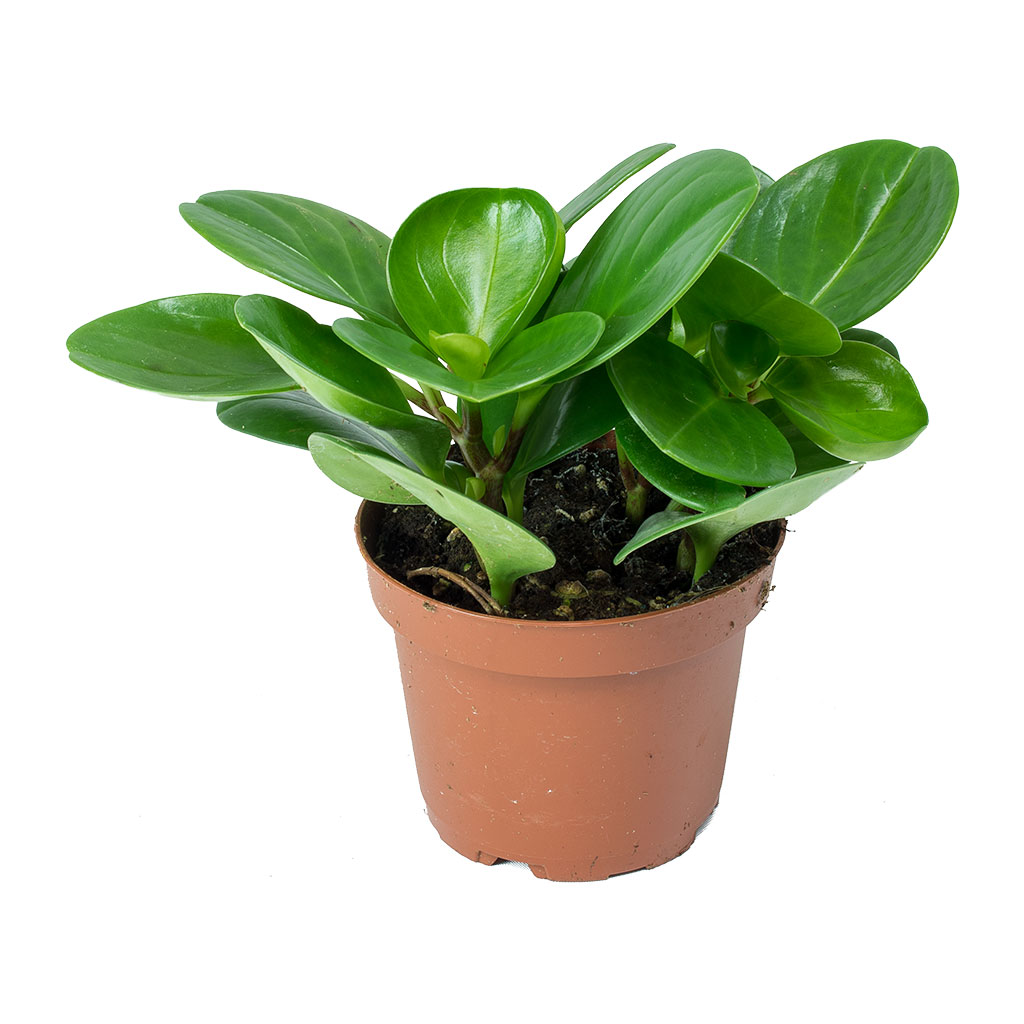 Source: nl.pinterest.com
Water your rubber tree when the soil is slightly dry to the touch. Learn how to care for, clean, and propagate a rubber plant as well as troubleshooting why your rubber plant is struggling! Rubber trees are fairly easy to grow, which is one of the reasons that they make such great houseplants. The plant should be kept away from vents and heating sources. This includes wiping the leaves with a damp cloth or even misting them.
 Source: pinterest.com
When pruning your pink rubber tree, wear gloves and protect your floor with newspaper — the sap that leaks out can be sticky and damage floors. Add equal parts of quality peat moss, sand, and garden loam. Future trims can focus on maintaining the tall shape. Water your rubber tree when the soil is slightly dry to the touch. When you top the plant, it will stop growing vertically and branch out below that point.
Source: pinterest.com
In the growing season (summer), the plant should be kept moist. While they can survive under low light conditions, this often leads to leaf drop and increased stress, says barnett. The great news is that rubber trees don�t need a lot of fussing over. When cut, the rubber plant oozes a milky sap, which is irritating, so wash immediately if it comes in contact with the skin or eyes. Future trims can focus on maintaining the tall shape.
 Source: pinterest.com
(too big of a planter could cause the soil to dry slower.) The baby rubber plant only needs fertilizing two or three times a year via the soil. Trim away any vertical branches that emerge to compete with the main trunk. The soil will drain quickly enough for the rubber tree to feel right at home. Dump out the saucer beneath the pot so there�s no standing water.
 Source: pinterest.com
Take a look to see how you can take better care of your rubber plant. The natural habitat for peperomia obtusifolia ranges from florida, to much of tropical america (cental america and south america). Make the cuts once you have chosen where you will take the cutting from your rubber tree, take your sharp scissors or pruning shears and make a swift, diagonal cut directly under the lowest leaf node of the new cutting. It�s easy to care for your rubber tree. When you top the plant, it will stop growing vertically and branch out below that point.
 Source: pinterest.com
Use sharp, clean shears and cut just above the node at a 90 degree angle. Rubber tree cuttings should be about 6 inches (15 centimeters) long and have at least four leaf nodes for the best chance of success. This includes wiping the leaves with a damp cloth or even misting them. You do not want to over water this plant and allow the soil to become waterlogged.so it might be best to lean towards less rather than too much when you first start growing peperomias, as less harm can be caused compared to overwatering. Take a look to see how you can take better care of your rubber plant.
Any registered user can share their favorite wallpapers found from the internet to our website. All materials used in our website are for personal use only, please do not use them for commercial purposes. If you are the author of uploaded image above, and you do not want them to be here, please give a report to us.
Please help us by sharing this article about how to take care of baby rubber plant to your social media like Facebook, Instagram, etc. Thank you.


